Tipping Culture in Copenhagen: What’s Expected and What’s Optional
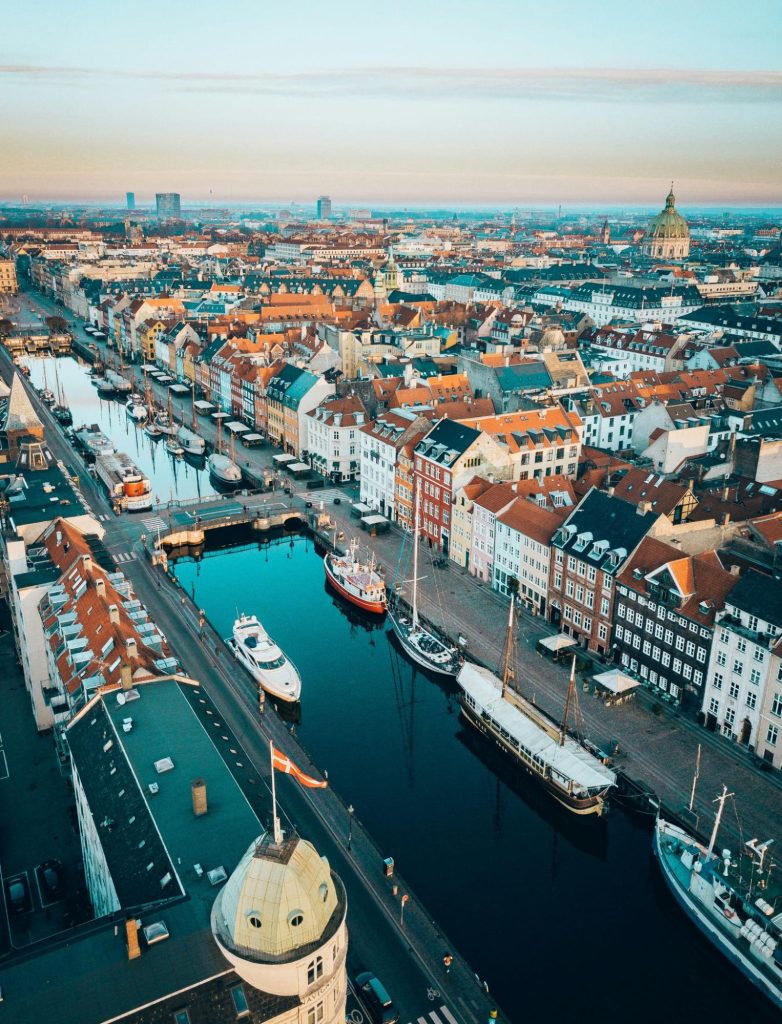
Copenhagen is often described as simple and transparent, and that usually applies to dining as well. Prices are clearly listed, service is efficient, and card payments are standard almost everywhere. Yet many visitors still hesitate when the bill arrives and quietly ask themselves, do you tip in Copenhagen?
The confusion often comes from habit rather than from local expectations. Travellers arriving from countries where gratuities are mandatory or strongly encouraged may assume the same rules apply in Denmark. Card terminals sometimes display optional tipping prompts, which adds to the uncertainty, even though these options are not part of a social obligation.
In reality, tipping culture in Copenhagen is far more relaxed than many visitors expect. Gratuities are not built into wages, and service staff do not depend on them as part of their income. Paying exactly what appears on the bill is completely normal across the city.
Understanding how much to tip in Copenhagen, when it is appropriate to leave something extra, and when it is unnecessary helps avoid overpaying while still acknowledging genuinely good service when you choose to do so.
The Essence of Tipping Culture in Copenhagen
To understand tipping culture in Copenhagen, it is important to start with one key fact: tips are not expected. Service employees in Denmark are paid stable wages under strong labour agreements, and their income does not depend on gratuities. This is one of the main differences compared to countries where tipping forms a significant part of earnings.
As a result, leaving nothing extra is completely normal across the city. Whether you are in a neighbourhood café, a mid range restaurant, or even a more upscale venue, paying the exact amount on the bill does not signal dissatisfaction. It simply reflects local custom.
This is why many travellers ask, do you tip in Copenhagen at all? In most situations, the honest answer is no, not as a rule. Tipping is not built into the culture in the same way it is in North America or parts of Southern Europe.

However, if the service was genuinely attentive, warm, or went beyond expectations, leaving something small is appreciated. In such cases, rounding up the bill to a convenient amount or adding up to around 10 percent is considered generous. The key difference is that this is a personal choice, not a social obligation.
Restaurants in Copenhagen: The Main Scenario
For most visitors, restaurants are the only place where tipping might become a question. Dining in Copenhagen can be relatively expensive, which sometimes leads travellers to assume that a service charge may be added separately. In reality, service is already included in menu prices, and staff wages do not depend on gratuities.
The first step is always to check the bill. In Denmark, you will not usually see a separate service charge line because it is already built into the listed prices. Paying exactly the total shown on the receipt is completely correct and entirely normal.
In more tourist focused areas, you may notice that the payment terminal offers optional tip percentages before you confirm the transaction. This can feel similar to systems in other countries, but it does not mean tipping is expected. These prompts are optional and often part of international payment software rather than a local social rule. Choosing “no tip” does not create tension or signal dissatisfaction.
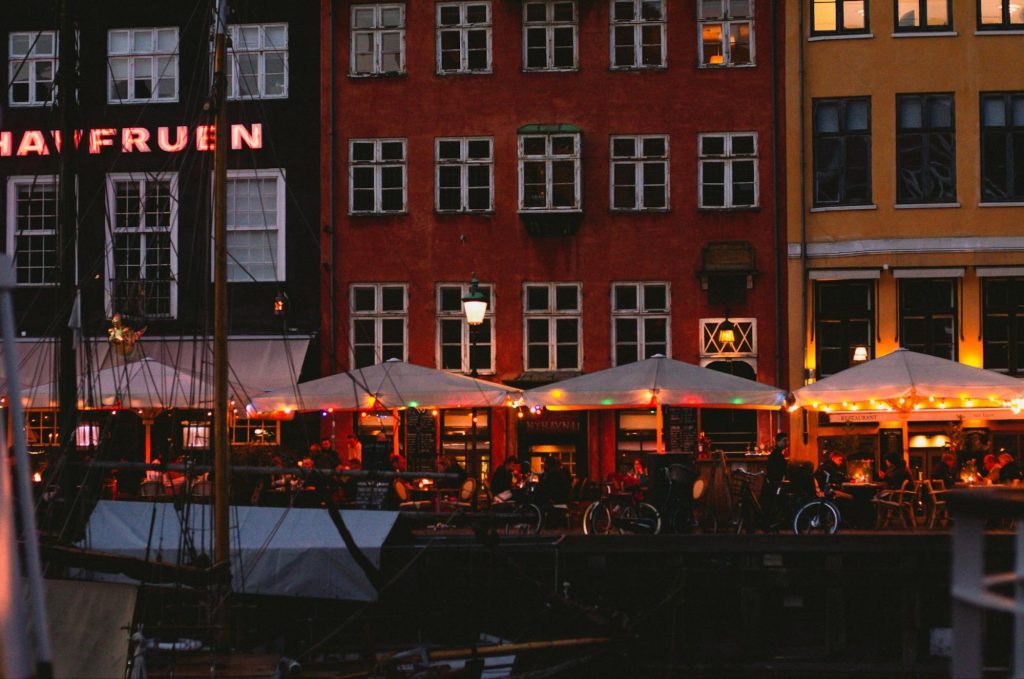
If you decide to leave something extra for particularly attentive or warm service, rounding up the total to a convenient amount is the most common approach. Adding up to around 10 percent would be considered generous. The important point is that this is a voluntary gesture, not an obligation.
In Copenhagen restaurants, tipping recognises exceptional service rather than fulfilling a cultural expectation. Paying the stated amount without adding anything remains the standard practice across the city.
How to Leave a Tip in Copenhagen
If you decide to leave something extra, the process is straightforward. Copenhagen is one of the most cashless cities in Europe, and most payments are made by card or mobile apps. In many places, especially in central or tourist heavy areas, the payment terminal may display optional tip percentages before you confirm the transaction.
It is important to remember that these suggestions are optional. Selecting no tip is completely normal and does not require explanation. Staff do not expect customers to choose one of the suggested percentages, even if the option appears on the screen.
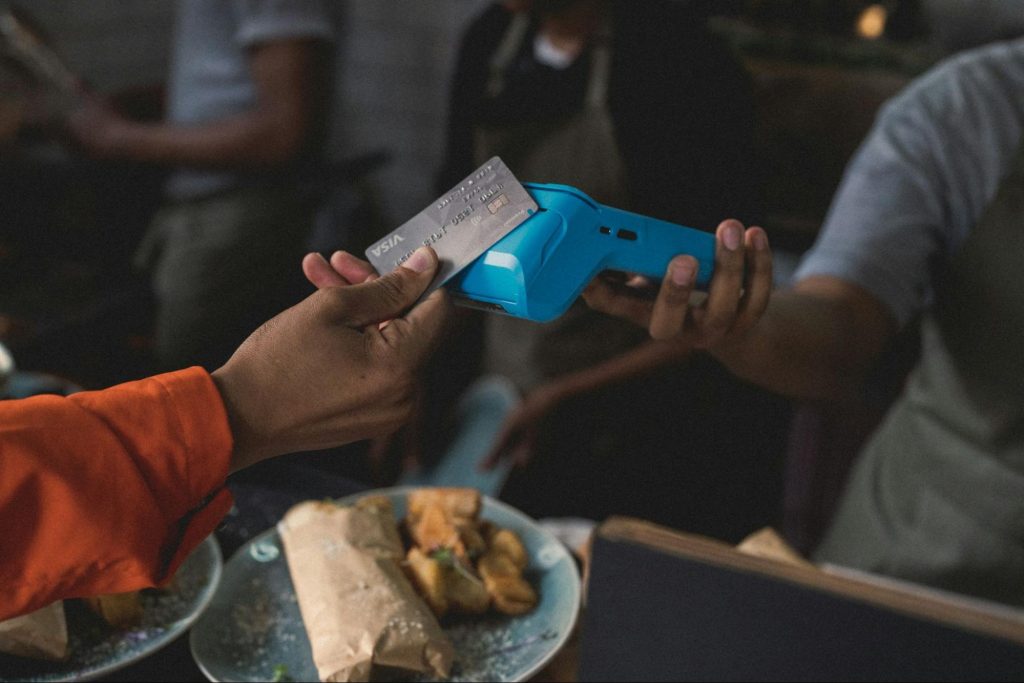
If you prefer to leave a small amount, you can either choose a preset percentage, enter a custom figure, or simply round up the total manually if the system allows it. Rounding to a convenient number is the most common and natural way to tip in Copenhagen.
Cash is rarely necessary, but it can still be used if you want to leave something directly. Some guests choose to leave coins or a small note on the table after paying by card. This is a quiet gesture rather than a formalised practice.
Unlike in some countries, it is not common to announce a final total verbally to the server. The interaction remains discreet and low key. Whether you add something through the terminal or leave nothing at all, the social atmosphere around tipping in Copenhagen stays relaxed and uncomplicated.
Cafés and Quick Bites
Copenhagen has a strong café culture, from minimalist coffee bars to bakeries and casual lunch spots. In most of these places, tipping is not part of the routine. If you order at the counter, pay immediately, and collect your drink or food yourself, leaving extra money is not expected.

You may occasionally see a tip jar near the register or notice that the card terminal offers an optional tip prompt. As in restaurants, this does not signal an obligation. Most customers simply pay the listed price and move on. The system is designed around clear pricing rather than additional percentages.
If staff bring food to your table, check in regularly, or provide particularly attentive service in a more sit down café setting, rounding up the total can feel appropriate. Even then, it remains a voluntary gesture rather than a social rule.
For takeaway coffee, pastries, or quick lunches, paying the exact amount is entirely standard. In Copenhagen’s everyday café culture, tipping is the exception, not the expectation.
Bars and Pubs in Copenhagen
Bars in Copenhagen follow the same general logic as restaurants and cafés: tipping is not expected. If you order drinks directly at the bar, which is the most common scenario, paying the listed price is standard practice. There is no routine of adding a percentage for each round.
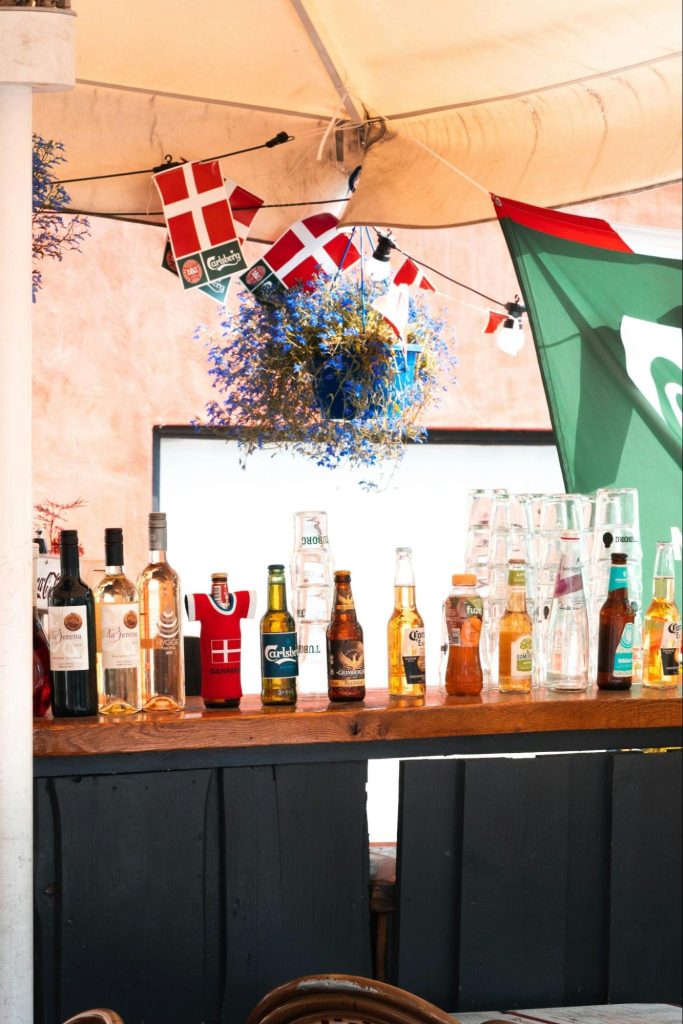
In busy areas such as Nyhavn or around the city centre, payment terminals may occasionally display an optional tipping screen. As elsewhere, this does not mean you are expected to select one of the suggested amounts. Most locals simply confirm the total and complete the payment without adding anything.
If you receive table service in a cocktail bar or a more upscale setting, rounding up the bill can be a polite way to acknowledge attentive service. Adding up to around 10 percent would be seen as generous rather than required. The same applies if a bartender offers detailed recommendations or goes out of their way to personalise your experience.
You might also see a tip jar on the counter. Contributing to it is entirely optional. In everyday social life, buying drinks in Copenhagen does not come with a built in tipping culture. The atmosphere is informal, and leaving something extra remains a personal choice rather than a social expectation.
Hotels and Accommodation
In Copenhagen hotels, tipping is situational and rarely expected. Standard interactions such as check in, asking for directions, or requesting basic information at reception do not require any additional payment. Staff are paid regular wages, and hospitality in Denmark is not structured around gratuities.
If a porter assists with luggage, especially in larger or higher end hotels, leaving a small amount as a thank you can be appropriate. This is linked to the specific help provided rather than to the overall stay. The gesture is modest and optional, not a built in rule.
Housekeeping is another area where visitors sometimes hesitate. In Copenhagen, leaving money in the room is not customary. Some guests may choose to leave a small amount at the end of a longer stay if service was particularly attentive, but this is entirely voluntary.

Concierge services follow the same logic. If someone goes beyond basic recommendations and helps secure difficult reservations or resolves a complicated issue, leaving something extra can be a personal way to show appreciation. For routine assistance, tipping is not expected.
Overall, in Copenhagen accommodation, gratuities reflect exceptional personal service rather than standard procedure.
Taxi, Ride Share and Transfers
Transport services in Copenhagen follow the same straightforward approach as the rest of the city. Tipping is not expected in taxis, ride share services, or private transfers. Drivers charge regulated fares, and their income does not depend on gratuities.
Most passengers simply pay the exact amount shown on the meter or in the app. If the total ends in small change, rounding up to a convenient number is a practical option, but it is not required. Many locals do not round up at all and pay the precise fare.
If a driver helps with heavy luggage, offers particularly friendly conversation, or provides useful local advice, adding a small amount can feel appropriate. Leaving up to around 5 to 10 percent would be considered generous rather than standard practice.
When paying through a ride share app, tipping options may appear after the trip. As in restaurants, these prompts are optional. Selecting no tip does not create discomfort or signal dissatisfaction.
Tours and Activities
When it comes to tours and organised activities in Copenhagen, tipping depends largely on the format of the experience. For standard paid group tours, leaving something extra is not required. Guides are compensated through the tour price, and paying the advertised fee is fully acceptable.
If the guide was especially engaging, knowledgeable, or added personal insight beyond the basic script, some visitors choose to leave a modest tip as a gesture of appreciation. Rounding up or offering a small additional amount is considered generous rather than expected.
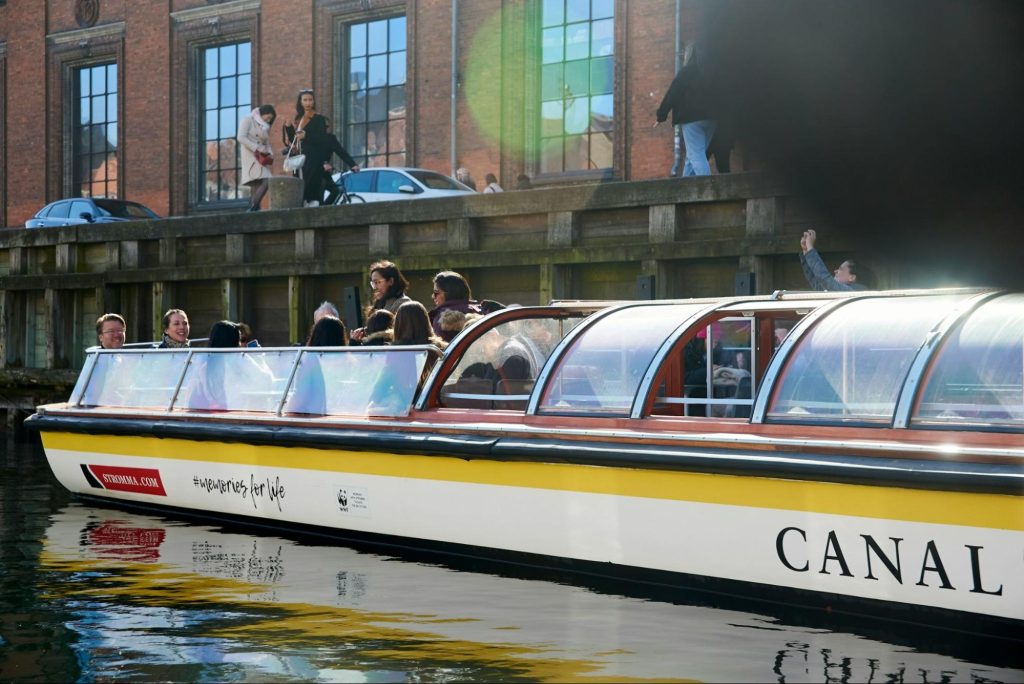
Free walking tours operate differently. Although there is no upfront ticket price, guides rely on voluntary contributions at the end. In this case, the tip effectively becomes the main payment. The amount usually reflects the length of the tour, the depth of information provided, and the overall quality of the experience. Here, leaving something meaningful is part of how the model functions.
For private tours or specialised activities, tipping remains optional. If the experience felt personalised and attentive, adding something extra can feel appropriate. If it was average or strictly professional, paying the agreed price is enough.
As with other services in Copenhagen, gratuities in tours and activities are based on personal judgement rather than fixed percentages.
Common Tourist Mistakes in Copenhagen
One of the most frequent mistakes visitors make is tipping out of habit rather than necessity. Travellers coming from countries with strong percentage based systems sometimes add 15 or 20 percent automatically, assuming it is expected. In Copenhagen, this often results in overpaying rather than following local custom.
Another common misunderstanding comes from payment terminals. When optional tip suggestions appear on the screen, especially in tourist areas, some guests feel pressured to select one. In reality, these prompts are not a reflection of Danish social norms. Choosing no tip is completely acceptable.

Some visitors also assume that higher prices must mean service is not included. In Denmark, menu prices already reflect labour costs. There is no hidden expectation to compensate staff separately. Paying the exact total on the bill is standard practice.
Using foreign currency for tips can create unnecessary inconvenience. If someone decides to leave something extra, it should always be in Danish kroner. Leaving euros or other currencies may make it difficult for staff to use the money.
Finally, some travellers hesitate to ask questions about the bill. Clarifying whether anything has been added is not considered rude. A simple question avoids confusion and ensures you are paying only what is appropriate.
Quick Checklist Before You Pay
Before adding anything extra in Copenhagen, keep these simple points in mind:
- Check the bill carefully. Service is already included in menu prices.
- Paying the exact total shown is completely normal.
- In restaurants, only consider rounding up or adding up to around 10 percent if the service was genuinely exceptional.
- At cafés and bar counters, tipping is usually not expected.
- In hotels, leave something only for specific personal assistance, such as luggage help or special arrangements.
- For taxis and ride share services, paying the stated fare is sufficient. Rounding up is optional.
- If you decide to leave a tip, use Danish kroner rather than foreign currency.
Following these points keeps tipping culture in Copenhagen simple and prevents unnecessary overpaying.
Keeping It Simple in Copenhagen
Tipping in Copenhagen is guided by clarity rather than obligation. Prices already reflect labour costs, and service staff do not rely on gratuities to supplement their income. For visitors, this removes much of the pressure that exists in countries where tipping follows strict percentage rules.

When people ask, do you tip in Copenhagen?, the most accurate answer is that it is optional in almost every situation. Paying the exact amount on the bill is normal. Leaving something extra is a personal decision, usually reserved for service that feels genuinely attentive or memorable.
If you choose to add something, rounding up the total or leaving up to around 10 percent is considered generous. There is no expectation to calculate precise amounts, and no social discomfort if you decide not to tip at all.
Understanding tipping culture in Copenhagen ultimately means recognising its simplicity. The system is built on fair wages and transparent pricing, not on mandatory gratuities. With that in mind, navigating how much to tip in Copenhagen becomes straightforward and stress free.