Best Places to Stay in Budapest for First-Time Travelers
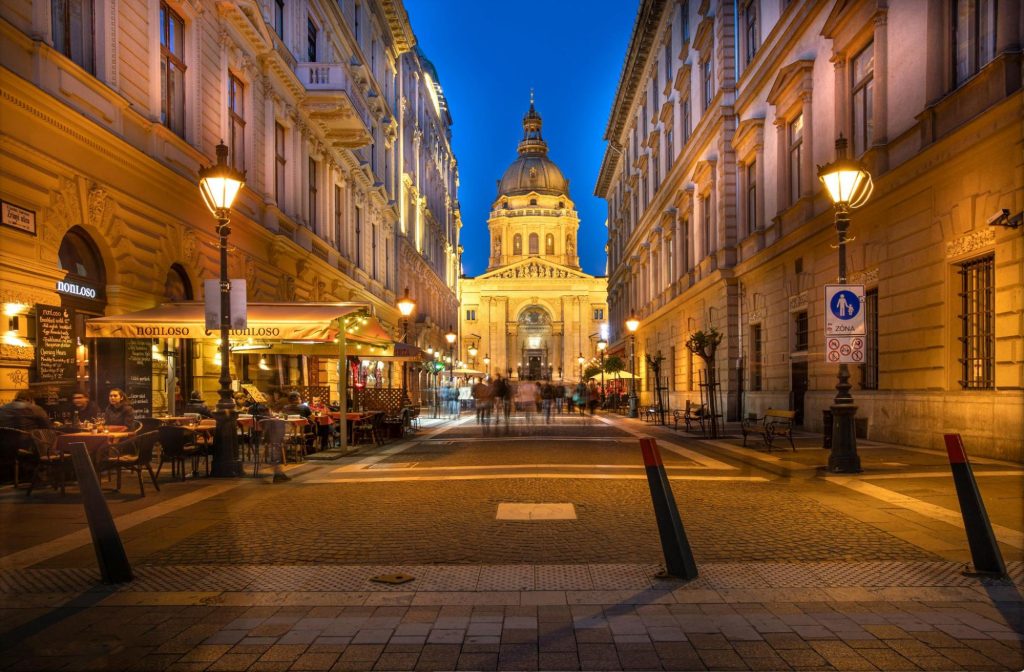
If you’re visiting Budapest for the first time, the biggest question isn’t what to see — it’s where to stay so everything feels easy. You want to walk to the main sights, hop on transport without overthinking it, and avoid paying premium prices just because you didn’t know the layout.
Budapest isn’t huge, but it’s divided by the Danube, shaped by history, and surprisingly different from one district to another. Staying in the right area can mean sunset walks along the river and spontaneous cafe stops. Staying in the wrong one can mean long commutes and uphill climbs when you’re already tired.
Let’s make it simple.
Quick Pick by Travel Style
If you don’t want to read the full guide, here’s the fast version:
Best for walking everywhere: District V (Belváros-Lipótváros) — ideal for first-time visitors — because most major sights are within easy walking distance.
For cafes, ruin bars & atmosphere: District VII (Jewish Quarter) — great for couples and friends — because it’s lively, creative, and packed with places to eat.
Quieter but still central: District II (near the river) — good for families or slower trips — because it’s calmer, greener, yet close to the center.
Budget-friendly with great transport: District VIII (Palace Quarter area) — suitable for budget travelers — because prices are lower but metro and tram connections are excellent.
Now, let’s understand why.
How Budapest Is Structured (So You Don’t Book Blind)
1. Two Cities in One: Buda and Pest
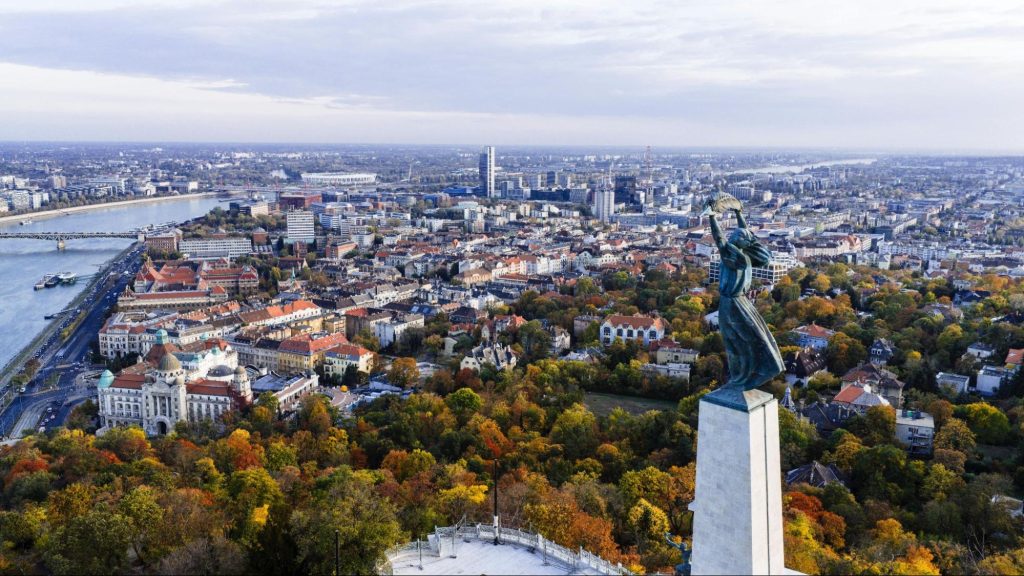
Budapest is split by the Danube River into two distinct parts:
- Buda (west side): hilly, quieter, residential, historic views.
- Pest (east side): flatter, busier, packed with restaurants, nightlife, and most attractions.
For a first visit, most travelers find Pest more practical.
2. Where the Historic Center Actually Is
When people say “the center,” they usually mean District V on the Pest side. This area includes:
- Hungarian Parliament Building
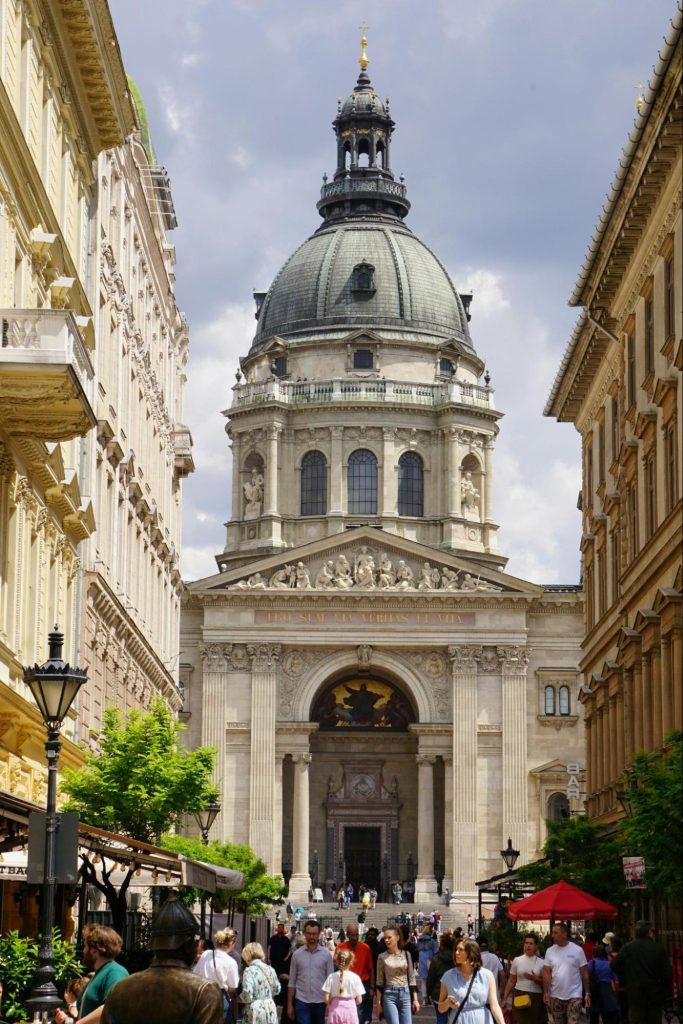
- St. Stephen’s Basilica
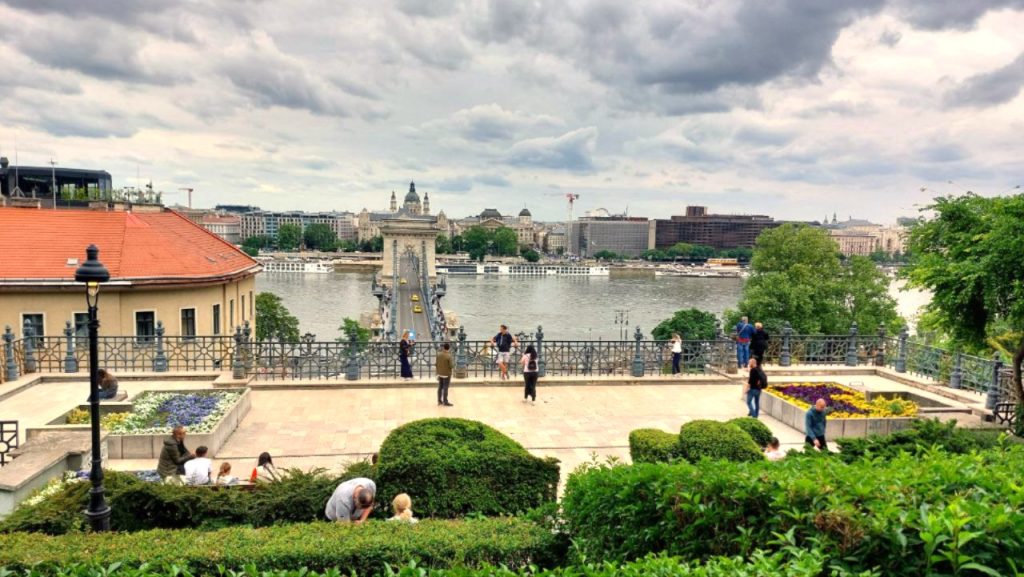
- Chain Bridge
- The Danube promenade
Across the river in Buda, you’ll find:
- Buda Castle
- Fisherman’s Bastion
But most dining, shopping, and nightlife are concentrated on the Pest side.
3. Districts That Border the Center
If District V feels too expensive or fully booked, look at nearby areas:
- District VII — lively and creative, just behind the Basilica.
- District VI — elegant boulevards and opera houses along Andrássy Avenue.
- District VIII (Palace Quarter) — historically grand, increasingly trendy, better prices.
All of these are within walking distance or 1-2 metro stops from the heart of the city.
4. Main Train Stations & Airport Access
Budapest has three major train stations:
- Keleti Railway Station (District VIII)
- Nyugati Railway Station (District VI)
- Déli Railway Station (Buda side)
For most international and regional connections, Keleti and Nyugati are the most relevant.
From Budapest Ferenc Liszt International Airport, you can reach the center by:
- Airport bus 100E (direct to central Pest)
- Bus + metro combination
- Taxi (about 30-40 minutes depending on traffic)
If you’re staying in District V, VII, or VI, airport transfers are especially straightforward.
Best Areas to Stay in Budapest for a First Visit
District V (Belváros-Lipótváros): The Easiest First-Time Base
If you want Budapest to feel effortless, this is it. District V is what most people imagine when they picture the city: grand architecture, river views, wide squares, and major landmarks within walking distance.
Who It’s For
- First-time visitors
- Couples
- Short 2-3 day trips
- Travelers who want everything “outside the door”
Pros
- You can walk to most headline sights.
- Excellent public transport connections (metro, trams, buses).
- Feels safe and well-lit in the evenings.
- Beautiful architecture and Danube views.
- Plenty of cafés, bakeries, and restaurants nearby.
Cons
- Accommodation prices are among the highest in the city.
- Some streets can feel busy during peak season.
- Limited nightlife compared to District VII.
What’s Nearby
- Hungarian Parliament Building
- St. Stephen’s Basilica
- Chain Bridge
- Danube Promenade
- Vörösmarty Square
- Shoes on the Danube Bank memorial
From here, you can cross into Buda on foot and reach:
- Buda Castle
- Fisherman’s Bastion
Accommodation: What to Expect
District V mostly offers:
- Mid-range and boutique hotels
- High-end apartments in historic buildings
- A smaller number of guesthouses
- Very few hostels
Best for:
- Hotels — short stays (1-3 nights), convenience-focused trips
- Apartments — couples or families wanting more space
What to Check Before Booking
- Is your room facing a main street? (Some can be noisy.)
- Does the building have an elevator? (Many historic buildings don’t.)
- Air conditioning is essential in summer.
- If arriving late, confirm 24-hour check-in.
Best Type of Stay Here
Optimal choice: a centrally located hotel or apartment within walking distance of the Basilica — so everything is genuinely walkable.
If you’re only in Budapest for a weekend, this district minimizes logistics and maximizes experience.
District VII (Jewish Quarter): Energy, Ruin Bars & Late-Night Dinners
If District V is elegant and polished, District VII is textured and alive. This is where old courtyards hide bars, where cafés turn into wine spots by evening, and where Budapest feels young and creative.
It’s one of the most atmospheric areas in the city — and also one of the most talked about.
Who It’s For
- Couples who enjoy evening walks and dining out
- Friends traveling together
- First-time visitors who want nightlife nearby
- Food-focused travelers
Pros
- Huge concentration of cafes, wine bars, and casual restaurants.
- Walking distance to District V (10-15 minutes).
- Lively atmosphere day and night.
- Excellent metro and tram connections.
- Strong “local meets creative” vibe.
Cons
- Can be noisy, especially on weekends.
- Some streets feel crowded in high season.
- Not the best choice for light sleepers unless you choose carefully.
What’s Nearby
- Dohány Street Synagogue
- Szimpla Kert
- Gozsdu Udvar
- Hungarian State Opera House
- Andrássy Avenue
- Small design shops and specialty coffee spots
You’re also just a short walk from St. Stephen’s Basilica and the Danube.
Accommodation: What to Expect
District VII offers:
- Boutique hotels
- Stylish serviced apartments
- Budget-friendly apartments in older buildings
- Several hostels
Best for:
- Apartments — couples and small groups
- Hostels — budget travelers
- Boutique hotels — short stays with character
What to Check Before Booking
- Is your apartment facing an inner courtyard or the street? (The courtyard is quieter.)
- Read reviews about nighttime noise.
- Confirm air conditioning in summer.
- Check if self-check-in instructions are clear (common in this area).
Best Type of Stay Here
Optimal choice: an apartment or boutique hotel on a side street, close enough to walk everywhere but slightly removed from the busiest bar strips.
District VII gives you Budapest’s personality at full volume — just make sure your room lets you sleep when you need to.
District VI (Terézváros): Grand Boulevards & Cultural Budapest
District VI feels more composed. If District VII is spontaneous and buzzing, Terézváros is structured, elegant, and architectural. Wide avenues, 19th-century faсades, theatres, cafes with outdoor terraces — this is where Budapest looks a little imperial.
It’s central without being overwhelming.
Who It’s For
- Couples
- Travelers who enjoy museums and architecture
- First-time visitors who want central but slightly calmer
- 3-5 day trips
Pros
- Walking distance to District V and VII.
- Excellent metro access (M1 line along Andrássy Avenue).
- More relaxed evenings than the Jewish Quarter.
- Beautiful architecture and wide streets.
- Good balance of restaurants and local cafés.
Cons
- Prices can be close to District V near Andrássy Avenue.
- Some buildings are older and vary in condition.
- Less nightlife energy compared to District VII.
What’s Nearby
- Hungarian State Opera House
- Andrássy Avenue
- House of Terror Museum
- Heroes’ Square
- City Park
You’re also very close to Nyugati Railway Station, which is useful for day trips.
Accommodation: What to Expect
District VI offers:
- Mid-range hotels
- Boutique hotels in renovated historic buildings
- Apartments in traditional Budapest houses
- A few hostels
Best for:
- Hotels — short cultural trips
- Apartments — couples or small families
- Budget travelers — options slightly farther from Andrássy
What to Check Before Booking
- How close are you to Andrássy Avenue? (Convenient but pricier.)
- Does the building have an elevator?
- Air conditioning for summer stays.
- Proximity to a metro station (especially M1 or M3).
Best Type of Stay Here
Optimal choice: a mid-range hotel or apartment within a few blocks of Andrássy Avenue — central, walkable, and well connected.
District VI works particularly well if you want Budapest’s elegance without the late-night noise.
District VIII (Palace Quarter): Better Prices, Solid Transport, Unexpected Charm
District VIII has a mixed reputation, but that’s because it’s large and varied. For a first visit, the key is simple: focus on the Palace Quarter (Józsefváros inner area), not the outer residential or industrial edges.
Here you’ll find grand 19th-century buildings, university courtyards, local cafés, and noticeably lower prices than in District V or VI — while still being close to the center.
Who It’s For
- Budget-conscious travelers
- 4-5 day stays
- Travelers arriving via train
- Visitors who don’t mind walking 15-20 minutes to the river
Pros
- Lower accommodation prices compared to District V and VI.
- Excellent metro connections (M2, M3, M4 lines nearby).
- Close to Keleti Railway Station — convenient for arrivals.
- Less tourist-heavy atmosphere.
- Growing café and restaurant scene.
Cons
- Some streets feel less polished than central districts.
- Not as immediately picturesque as District V.
- Parts of District VIII (farther from the Palace Quarter) are less convenient for sightseeing.
What’s Nearby
- Hungarian National Museum
- Rákóczi Square Market Hall
- Ervin Szabó Library
- Blaha Lujza Square
- Short metro ride to St. Stephen’s Basilica
You can also walk to District V in about 20 minutes, depending on your exact location.
Accommodation: What to Expect
District VIII mostly offers:
- Budget and mid-range apartments
- Small hotels
- Guesthouses
- A number of hostels
Best for:
- Apartments — longer stays and families
- Hostels — budget travelers
- Hotels — practical, short city breaks
What to Check Before Booking
- Confirm you’re in the Palace Quarter, not far east toward outer Józsefváros.
- Read recent reviews about the immediate street atmosphere.
- Check metro distance — ideally within 5-7 minutes on foot.
- If driving, verify parking availability.
Best Type of Stay Here
Optimal choice: a well-reviewed apartment in the Palace Quarter near a metro station — budget-friendly but still connected.
District VIII works best if you want value without sacrificing accessibility.
District II (Buda Side): Quieter Streets, Green Views & Slower Mornings
If Pest feels lively and social, Buda feels residential and calm. District II stretches along the western side of the Danube and climbs gently into the hills. It’s greener, more spacious, and noticeably quieter at night.
For a first-time visit, it’s not the most obvious choice — but for the right traveler, it can be a very comfortable base.
Who It’s For
- Families
- Couples who prefer calm evenings
- Travelers staying 4-5 days
- Visitors who’ve already seen Budapest once
Pros
- Much quieter at night than central Pest.
- Close to Buda’s historic sights.
- Greener surroundings and more residential feel.
- Beautiful river views in some areas.
- Good tram connections along the Danube.
Cons
- Fewer restaurants and cafés compared to District VII or V.
- You’ll cross the river frequently for dining and nightlife.
- Some areas are slightly hilly (not ideal with heavy luggage).
What’s Nearby
- Buda Castle
- Fisherman’s Bastion
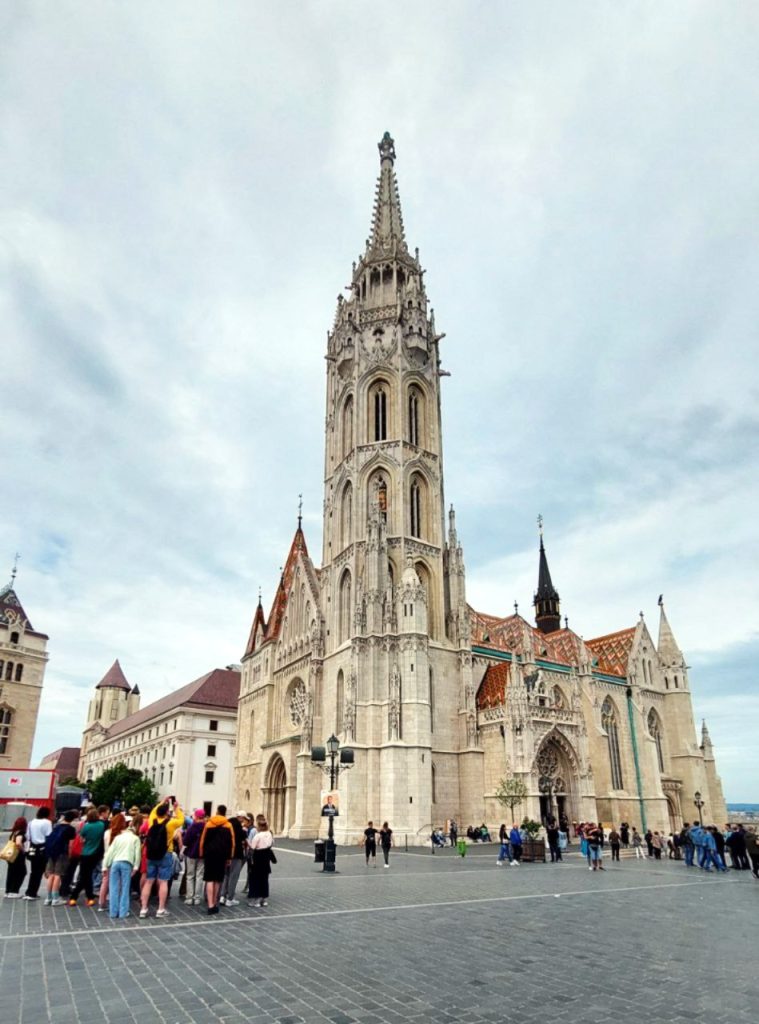
- Matthias Church
- Margaret Island
- Danube riverside walking paths
You can reach central Pest in 10-20 minutes by tram or bus, depending on your exact location.
Accommodation: What to Expect
District II mostly offers:
- Mid-range hotels
- Apartment rentals
- Fewer hostels
- Some family-run guesthouses
Best for:
- Apartments — families or longer stays
- Hotels — relaxed city breaks
- Couples — quieter romantic trips
What to Check Before Booking
- Distance to the nearest tram stop.
- Whether the property is on a hill.
- Travel time to District V (check it on maps).
- Elevator availability if staying uphill.
Best Type of Stay Here
Optimal choice: an apartment or hotel near the Danube tram line — calm, scenic, but still connected.
District II isn’t the most central choice — but it offers breathing space, especially after busy sightseeing days.
Areas That Are Often Inconvenient for a First Visit
Budapest is generally safe and well connected, but some areas simply make logistics harder, especially if it’s your first time in the city. These aren’t “bad” neighborhoods. They’re just less practical depending on your schedule and travel style.
Here are the types of locations that often cause friction:
1. Far Outer Districts (Residential Zones)
Why inconvenient:
Long travel times to the main sights (30-50 minutes each way).
Who it may suit:
Travelers staying a week or longer, or visiting friends locally.
If you’re here for 2-3 days, commuting will eat into your time.
2. Directly Around Major Train Stations
For example, streets immediately around Keleti Railway Station.
Why inconvenient:
Busy, traffic-heavy, less atmospheric. You’ll likely commute for sightseeing.
Who it may suit:
Travelers arriving late at night or leaving early in the morning.
It’s practical for transit — but not the most charming base.
3. Party-Centric Micro-Zones in District VII
Streets packed tightly around bars and clubs.
Why inconvenient:
Significant nighttime noise, especially Thursday-Saturday.
Who it may suit:
Travelers specifically coming for nightlife.
If you want sleep before 2 a.m., choose a quieter side street.
4. Steep Hills in Buda (Outer Sections)
Why inconvenient:
Challenging with luggage; public transport can involve bus transfers.
Who it may suit:
Travelers seeking scenic views and a more residential feel.
Great for a return visit — less ideal for a short first trip.
5. Industrial or Commercial Edges of District VIII & IX
Why inconvenient:
Less walkable, fewer cafes and sights nearby.
Who it may suit:
Budget travelers who prioritize price over atmosphere.
Again, not unsafe — just less engaging for sightseeing.
Now that you know where to focus (and what to think twice about), let’s make the final decision easier.
Practical Tips for Choosing Accommodation in Budapest
A few small checks can make a big difference in your experience:
- If your trip is 2-3 days: stay as central as possible (District V, VI, or VII).
- If you’re staying 4-5 days: you can go slightly farther out — just stay near a metro or tram line.
- Always read reviews specifically mentioning noise levels.
- Confirm there’s air conditioning in summer and proper heating in winter.
- Check for an elevator — many historic buildings don’t have one.
- Look up the actual walking time to the Danube or Basilica, not just “city center.”
- If traveling with heavy luggage, avoid steep hills in Buda.
- If renting a car, confirm parking rules and restricted zones in advance.
Budapest is compact, but details matter.
One Perfect Day in Budapest (Starting from District V)
If you’re staying in District V, you can see an incredible amount on foot. Here’s a logical, walkable route that flows naturally through the city without backtracking.
- Start at St. Stephen’s Basilica — go up to the dome for panoramic views.
- Walk to the Hungarian Parliament Building and stroll along the Danube.
- Cross the Chain Bridge into Buda.
- Explore Buda Castle and its courtyards.
- Continue to Fisherman’s Bastion for one of the best views in the city.
- Visit Matthias Church.
- Head back toward the river around sunset.
- Finish the evening with dinner near the Danube promenade in Pest.
This route mixes architecture, views, river scenery, and history — and it’s entirely manageable in one well-paced day.
A Relaxed Evening Walk (Starting from District II)
If you’re staying on the Buda side and want a quieter, slower evening:
- Begin with a riverside stroll along the Danube promenade in Buda.
- Walk toward Margaret Bridge and enjoy sunset views.
- Cross to Margaret Island for a peaceful walk under the trees.
- Return to the Buda side for dinner at a local neighborhood restaurant.
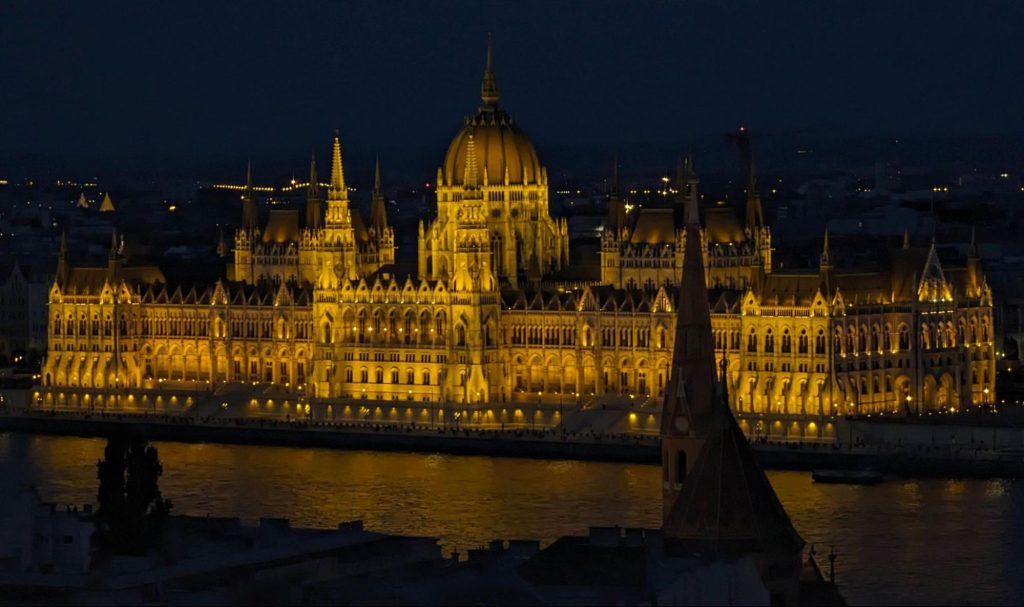
- End with a nighttime viewpoint overlooking the illuminated Parliament across the river.
Budapest at night feels different — calmer on the Buda side, glowing and theatrical across the water.
Choosing the Right Base Changes Everything
Budapest isn’t difficult to navigate — but choosing the right district shapes your entire experience.
If it’s your first visit and time is short, District V makes everything simple. If you want atmosphere and late dinners, District VII brings energy. District VI balances culture and calm. District VIII offers value with solid connections. District II gives you quiet evenings and green surroundings.
There’s no single “perfect” area — only the one that matches how you travel.
Choose thoughtfully, check the small details before booking, and Budapest will feel surprisingly easy to explore — whether you’re here for a weekend or a longer stay.