When Is the Best Time to Visit Bologna?
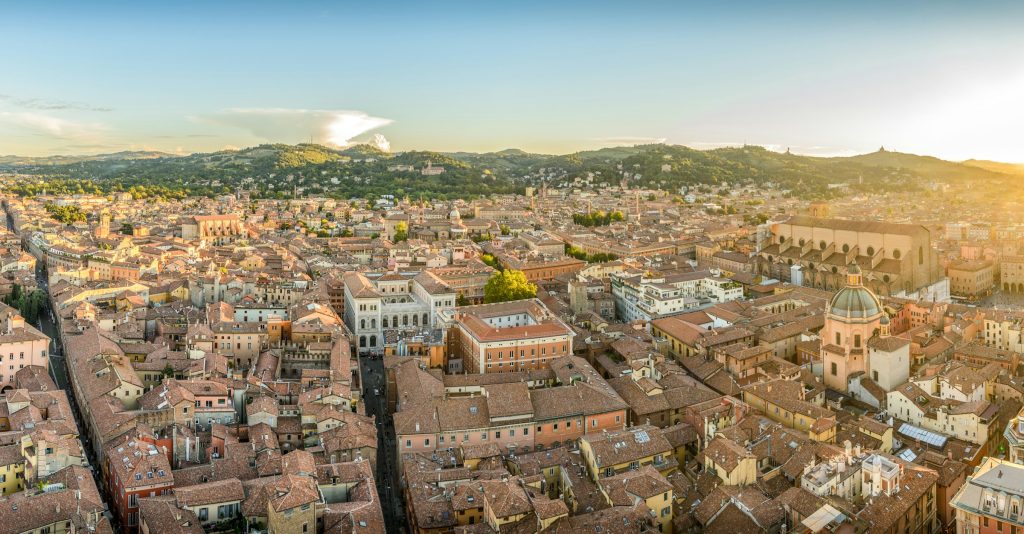
Bologna is one of those Italian cities where timing quietly shapes the entire experience. The rhythm of the city changes with the seasons, from misty winter mornings under endless porticoes to lively spring piazzas and humid summer evenings filled with outdoor dining. Understanding the best time to visit Bologna is less about chasing perfect weather and more about choosing the right balance between comfort, crowds, and the kind of trip you want to have.
This article helps you choose travel dates based on how the city actually feels throughout the year. In Bologna, seasons influence everything from restaurant availability and student energy to hotel prices and the ease of day trips around Emilia-Romagna. Whether you are planning a short food-focused break or using the city as a base for exploring the region, knowing how timing affects atmosphere, costs, and daily logistics can make the trip far more relaxed and enjoyable.
Quick Cheat Sheet: When to Visit Bologna
If you want a fast overview before diving into seasonal details, here is a practical snapshot of what different times of year feel like in the city.
Best overall time: April, May, and September
These months offer the most balanced experience, with comfortable weather, active city life, and good conditions for both walking Bologna and taking day trips around Emilia-Romagna.
Best weather: Late April to early June, and mid-September to early October
Warm days without peak humidity make it easier to explore historic streets, climb towers, and enjoy long outdoor meals without the heaviness of summer heat.
Cheapest time: January, February, and early November
Lower demand brings more flexible hotel prices, especially outside major trade fair dates. The city feels more local, and accommodation deals are easier to find.
Fewest crowds: Mid-winter and late autumn
Bologna rarely feels overcrowded, but these periods are noticeably calmer. Museums, trattorias, and portico-lined streets are easier to enjoy without waiting or reservations.
If you only have 2–3 days: Late spring or early autumn
These windows make it easier to experience the Bologna best time to visit for short trips, with walkable weather, lively food culture, and smooth logistics for quick regional day trips.
What Each Season Feels Like in Bologna
Bologna does not swing between dramatic seasons, but small shifts across the year change how the city feels day to day. The same streets can feel cosy and intimate in winter, lively and social in spring, or slow and heavy in peak summer. Looking at each season individually makes it easier to understand when the city matches your pace.
Winter in Bologna (December to February)

Weather
Winter in Bologna is not harsh, but it can feel unexpectedly atmospheric. Temperatures usually hover just above freezing, yet humidity and Po Valley fog create misty mornings and soft, muted light across the terracotta rooftops. Rain is far more common than snow, and overcast skies are typical. The endless porticoes become especially valuable this time of year, letting you walk long distances without worrying too much about drizzle.
Crowds and atmosphere
Outside the Christmas period, winter is when Bologna feels most local. Tourist numbers drop noticeably, and daily life becomes more visible, from busy bakeries in the morning to quieter piazzas in the evening. The university is still active, so the city never feels empty, but the pace is calmer. Hotels tend to be more affordable unless a major BolognaFiere event pushes demand up.
What it’s good for
Winter works beautifully if your trip revolves around food and atmosphere rather than packed sightseeing. This is the season for long, slow meals, steaming bowls of tortellini in brodo, and lingering in traditional trattorias without queues. Museums and historic interiors feel more inviting, and walking under the porticoes takes on a cosy, almost cinematic quality that many travellers miss in warmer months.
Spring in Bologna (March to May)

Weather
Spring slowly brings Bologna back into the open. March can still feel changeable, with cool mornings and occasional rain, but by April the city starts to brighten noticeably. Mild temperatures and longer daylight hours make walking far more comfortable, while May often delivers warm afternoons without the heavy humidity that arrives later in summer. Light showers are still possible, but the porticoes make exploring easy even when the weather shifts.
Crowds and atmosphere
This is when Bologna feels most naturally balanced. Outdoor tables reappear across the historic centre, food markets grow busier, and the university energy spills into cafés and piazzas. Tourism picks up, but the city rarely feels crowded in the way larger Italian destinations do. Instead, the atmosphere turns lively and social without losing its relaxed, local character.
What it’s good for
For many travellers, spring feels close to the best time to visit Bologna Italy if you want a bit of everything. It is ideal for long walks through the historic centre, climbing the Asinelli Tower on a clear day, and lingering over aperitivo in the early evening light. Spring is also perfect for day trips to Modena, Parma, or Ferrara, when the surrounding region feels fresh and easy to explore without summer heat slowing you down.
Summer in Bologna (June to August)

Weather
Summer in Bologna is defined by heat and humidity. By late June, temperatures climb quickly, and July and August can feel heavy, especially in the middle of the day. Unlike coastal cities, Bologna sits inland, so the air often feels still and warm even after sunset. Shade from the porticoes helps, but the combination of sun and humidity can make long daytime walks tiring if you are not used to southern European summers.
Crowds and atmosphere
Bologna behaves differently from classic tourist hotspots in summer. You will not find the same level of international crowds as in Florence or Rome, but the rhythm of the city shifts. Many locals leave in August, and some independent restaurants close for holidays. At the same time, evenings become more social and open, with late dinners, outdoor events, and people filling piazzas after the heat fades.
What it’s good for
Summer works best if you slow the pace and adjust your routine. Early mornings are ideal for exploring the historic centre or visiting landmarks before the heat builds. Afternoons are better suited for long lunches, indoor stops, or short train rides to nearby cities. If you are wondering when is the best time to visit Bologna for a relaxed, slow-travel style trip with warm nights and fewer daytime crowds, summer can still be surprisingly enjoyable.
Autumn in Bologna (September to November)

Weather
Autumn often begins as a gentler version of summer. September usually brings warm days and cooler evenings, making it one of the most comfortable periods for walking the city. By October, temperatures soften further, and the air feels clearer and less humid. November turns cooler and wetter, with more frequent rain and occasional fog returning, but the porticoes continue to make daily exploring manageable.
Crowds and atmosphere
After the quieter weeks of August, Bologna gradually fills with life again. Students return, theatres and cultural venues restart their seasons, and the historic centre regains its steady energy. Tourist numbers stay manageable, though major trade fairs can briefly push hotel demand up. Overall, the city feels lively without becoming overwhelming.
What it’s good for
Autumn is often seen as the Bologna best time to visit if food plays a central role in your trip. Markets feel richer, menus shift toward seasonal specialties, and the cooler weather makes long meals and wine bars especially enjoyable. It is also an excellent season for day trips across Emilia-Romagna, when the region feels active, colourful, and easier to explore without summer heat or peak-season intensity.
Crowds, Prices, and Booking Reality in Bologna
Bologna does not follow the classic tourism pattern of cities like Rome or Florence. Travel demand here is shaped not only by seasons but also by university life, food culture, and major trade fairs. That mix creates a slightly unpredictable rhythm, where prices can jump even outside peak tourist months.
When the city actually gets busy
The liveliest stretch usually runs from April to early July and again in September and October, when the weather is comfortable and the city is fully active. However, the most dramatic price spikes often come from major events at BolognaFiere, the city’s large exhibition complex that hosts international trade shows year-round. During those dates, hotels can sell out quickly even in winter or late autumn, which catches many travellers off guard.

How prices really behave
Accommodation rates tend to rise steadily in spring and early autumn, especially inside the historic centre. Summer behaves differently: June can still be expensive, but August often becomes more flexible because many locals leave the city and some independent restaurants close for holidays. This seasonal slowdown is typical for Bologna and can make late summer surprisingly affordable if you do not mind a quieter atmosphere.
Booking patterns that are specific to Bologna
Unlike heavily touristed Italian destinations, Bologna still allows some flexibility, but timing matters. Spring and autumn weekends fill faster due to food tourism and short European city breaks. If your visit overlaps with a trade fair, booking several months ahead is smart. In winter, last-minute deals are still common, while summer sits somewhere in between depending on how close you are to August.
Helpful things to know before visiting
- Check BolognaFiere calendars before booking accommodation. Prices can double during major exhibitions.
- Late August can feel quieter, with some family-run restaurants closed for holidays.
- Staying inside the old town walls makes exploring under the porticoes easier in rain or heat.
- Air conditioning is essential for July and early August stays due to humidity.
- Trains are the easiest way to move around, so renting a car rarely adds value.
- Weekend demand is driven by food tourism, especially in autumn and spring.
- Shoulder seasons offer the best balance between prices, atmosphere, and restaurant availability.
One Day in Bologna: What to Do and When It Works Best
Bologna is perfect for a day trip because the city centre is compact, walkable, and sheltered by porticoes when weather turns. The best plan depends on what you want most: viewpoints and long walks, food markets and long lunches, or museums and quieter streets. Here are city day trip ideas that feel different depending on the month.

Classic Bologna day: historic centre loop
Best months: April, May, September, October
Start the morning in Piazza Maggiore, when the square still feels spacious and calm. From there, step inside the Basilica of San Petronio, then walk toward Piazza Santo Stefano for a quieter, more atmospheric corner of the city. Continue through the Quadrilatero area, where narrow streets are packed with delis and traditional food shops. Finish the loop with a late afternoon aperitivo near Via degli Orefici. Mild spring and early autumn weather make this route feel unhurried and naturally walkable.
Towers and skyline route
Best months: April to June, September to early November
Begin early near the Two Towers, ideally before crowds build. Climb the Asinelli Tower in the morning, when visibility is clearer and temperatures are still manageable. After descending, wander along Strada Maggiore and nearby side streets, which feel especially photogenic in softer seasonal light. This route is physically demanding due to stairs and open-air exposure, which is why it works best outside peak summer heat.
Food-focused Bologna day
Best months: October to March
Start at Mercato di Mezzo or nearby food streets in the Quadrilatero, where mornings feel more local. Move slowly between salumerias, bakeries, and small counters serving regional classics. Plan a long lunch in a traditional trattoria, ideally one slightly away from the main square. In cooler months, richer dishes and slower pacing make this style of day feel especially natural. Autumn stands out for seasonal menus, while winter offers a quieter, more intimate version of the same experience.
Rainy day under the porticoes
Best months: November to March, plus rainy spring days
Begin with a museum stop, then build the day around covered walks. Bologna’s porticoes allow you to move between neighbourhoods without constantly checking the weather. After indoor sights, break the day with café stops under arcades and short historic detours. This style of itinerary turns grey weather into an advantage rather than a limitation, especially during misty winter periods.
Local Bologna rhythm day
Best months: October, November, March, April
Focus less on landmarks and more on everyday life. Start with coffee in the university district, then wander through side streets filled with bookshops and independent stores. Midday can be spent in quieter piazzas or local trattorias before an early evening aperitivo as the city fills with students again. This route works best when the university is in full swing, which gives Bologna its most authentic energy.
San Luca sunset walk
Best months: April, May, late September, October
Begin in the late afternoon and follow the porticoed path toward the Sanctuary of San Luca, either completing the full walk or doing a shorter section. The timing matters more than distance, since this experience is about atmosphere and views rather than speed. Spring and early autumn offer the best mix of clear skies, comfortable temperatures, and soft evening light over the city.
Choosing the Right Time for Your Bologna Trip
The best time to visit Bologna depends less on chasing perfect weather and more on choosing the version of the city that fits your travel style. Spring and early autumn offer the easiest balance, with comfortable temperatures, lively streets, and the kind of rhythm that makes walking, eating, and exploring feel effortless. These months work especially well if you want to experience the city at its most naturally enjoyable without adjusting plans around heat or rain.

Summer brings a slower, warmer pace that can still be rewarding if you are comfortable shaping your days around the climate. Early mornings and late evenings become the most memorable parts of the day, while August offers a quieter, more local version of the city. Winter, on the other hand, reveals a calmer and more intimate side of Bologna, where food, atmosphere, and everyday life take centre stage instead of busy sightseeing.
If you are trying to decide when is the best time to visit Bologna, think about what you want to remember most. For many travellers, the answer lies in spring light and autumn flavours. But once you understand how the city shifts across the year, almost any season can feel like the right one.