What Souvenirs to Buy in Budapest

Budapest is one of those cities where souvenirs are sold literally everywhere, and that’s exactly why it’s easiest to make a mistake: next to decent items you’ll find brand knockoffs, questionable “design,” and ceramics that look impressive on a shelf but in real life can turn out to be fragile and rough. Let’s figure out which souvenirs are actually worth buying in Budapest, and what to bring home so the gift looks presentable and doesn’t end up as cheap tourist clutter. The city’s typical options range from food and drinks to crafts, local brands, and museum shops-plus a bit of practical advice: where to look for sensible places, what quick signs to use to check quality, what to buy only from trusted spots, and how to pack your purchases so you can bring them home calmly without leaks or chips, even if you’re buying everything on the last day in the center or right before your flight.
What to Bring Back from Budapest
Edible souvenirs
- Hungarian paprika (smoked and sweet are the best) — the core flavor of local cuisine and an easy “from Hungary” gift. (Packing: you can carry it in hand luggage, but it’s better in a separate bag so the smell doesn’t get into your clothes.)
- Pick salami (or another Hungarian option in factory-sealed packaging) — a classic foodie souvenir people actually bring home. (Packing: hand luggage or checked baggage; ideally in a zip bag.)
Things
- Herend porcelain — a recognizable Hungarian “display-case” classic, but this is more of a “keep-for-years” kind of purchase. (Packing: only with proper packaging; handle carefully; best in hand luggage.)
- Zsolnay ceramics / décor — also very local and full of character, but it matters where you buy it (not from a random stall “under the bridge”). (Packing: treat as fragile — protection + “fragile” marking; best in hand luggage.)
A gift for colleagues
- A mini paprika set (several types in small packs) — light, inexpensive, and straight to the point.
- A small box of Hungarian sweets/chocolate — easy to share and doesn’t take up space.
An inexpensive souvenir
- Postcards/prints from a museum shop — look neat and not like a tacky tourist trinket.
- A small pack of paprika — a simple option that’s clearly “Hungary.”
What to buy on the last day (city center / airport)
- Packaged paprika or sweets — the easiest grab-and-go choice, with less risk of missing on quality.
- Factory-sealed salami — a handy “last chance” pick without overthinking.
What’s better not to buy
- Brand knockoffs and “designer” items with no clear brand/maker — usually overpriced and questionable quality.
TOP Budapest Souvenirs: What’s Actually Worth Bringing Home
1) Hungarian Paprika (sweet and smoked)
Paprika is one of the main “flavors of Hungary,” and in Budapest people buy it not as a fridge magnet, but as something you’ll actually use in the kitchen later.
Approx. price: low to mid (depends on packaging and quality).
Where to buy: deli shops, markets, specialty food stores; tourist souvenir shops often overcharge for a pretty tin or jar.
How to pack: fine in hand luggage, but put it in an airtight bag/zip bag so the aroma doesn’t seep into your clothes; checked baggage is also OK-just keep it sealed.
2) Hungarian Salami (Pick is a popular choice)
Local salami is a classic Budapest food gift: easy to bring back, and it feels like a “real” product, not a souvenir for the sake of a souvenir.
Approx. price: mid.
Where to buy: supermarkets with a good selection, deli stores, markets (best in factory-sealed packaging).
How to pack: hand luggage or checked baggage; for peace of mind, add an extra bag to prevent smells and protect the packaging.
3) Foie gras / duck pâtés in a jar
Hungary is known for duck and goose products, and in Budapest these jars are often picked as a “delicacy souvenir” that’s easy to gift.
Approx. price: mid to high.
Where to buy: deli shops, good grocery stores with strong gourmet sections; avoid anonymous “no-name” options from souvenir stalls.
How to pack: preferably in checked baggage; wrap the jar in clothing or bubble wrap so it doesn’t crack.
4) Herend Porcelain
Herend is a brand long associated with Hungary. This isn’t a small “memory souvenir” anymore, but a “gift with history” kind of item.
Approx. price: high.
Where to buy: official boutiques, trusted retailers, sometimes museum shops connected to exhibitions/partners.
How to pack: best in hand luggage; ask for rigid packaging and check that the item is properly secured inside (not just wrapped in paper).
5) Zsolnay Ceramics & Décor
Zsolnay is recognizable for its distinctly Hungarian aesthetic and a collectible feel-this says “Budapest” far more than any mug with a printed slogan.
Approx. price: high (sometimes mid for small items).
Where to buy: official/verified stores, design shops; tourist stalls often sell “in the style of” pieces with weak quality and unclear origin.
How to pack: treat as fragile-ask for a proper box and extra protection; checked baggage only with rigid support, otherwise chips are likely.
Unique Budapest Souvenirs
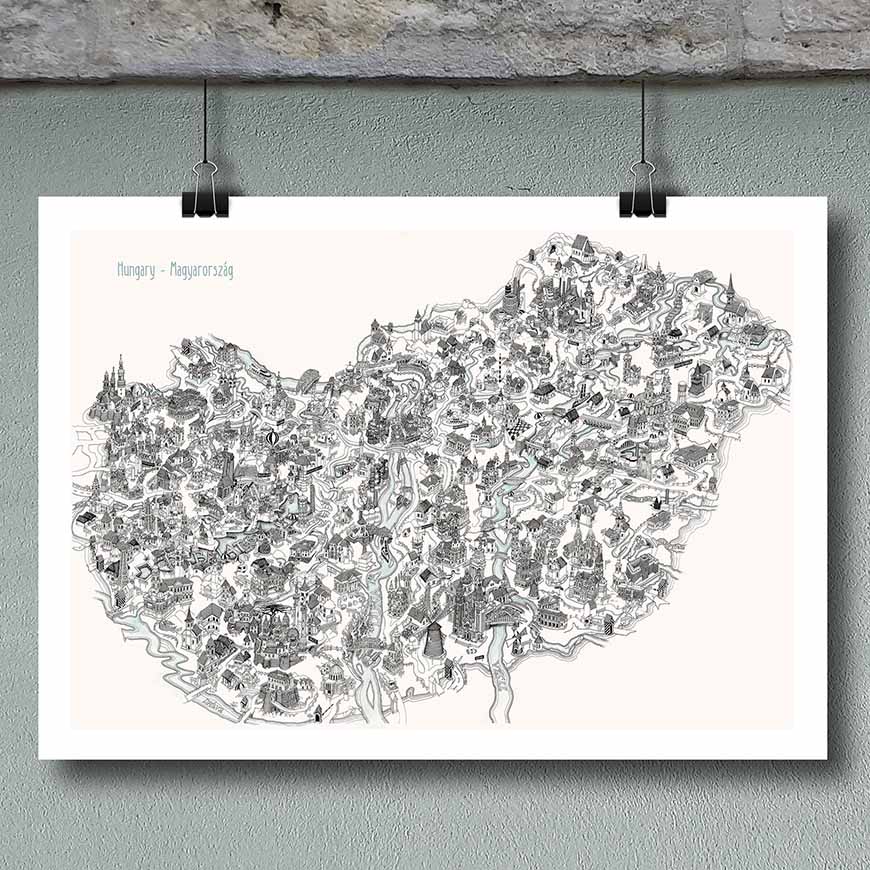
- Graphics and prints by local artists are one of the safest ways to bring “the city” home without kitsch: illustrations, maps, posters, postcards.
Where to buy: galleries and studios of local creators (for example, Citygraph positions itself as an art gallery + workshop + souvenir shop) - Museum merchandise (books, postcards, design items from museum stores) is usually better in quality, because these shops have clear curatorial standards and decent printing/materials.
Where to buy: museum shops (Budapest has a Museum Shop network connected to museums) - Herend porcelain in “small forms” (one small piece instead of an entire set) is a “gift with a name,” not a faceless copy.
Where to buy: official Herend stores/showrooms in Budapest. - Unicum (Hungarian herbal liqueur) is a very local kind of gift — not everyone will love the taste, but as a Hungary-linked souvenir it’s a direct hit.
Where to buy: official brand stores/channels, or duty free. - Paprika paste (like Erős Pista) is a more practical souvenir than packets of spice: you’ll actually use it at home.
Where to buy: regular supermarkets (it’s a mass-market product in Hungary, so it’s usually easier to find there than in souvenir shops).
Food from Budapest
- Pick salami (and other Hungarian salamis in factory-sealed packaging) is a classic gift: easy to transport, easy to explain, and it feels like a “real” local product. Store it according to the label, and during travel don’t let it sit in heat.
How to pack: hand luggage or checked baggage; add a second bag so there’s no smell. - Liver pâtés / duck or goose delicacies (in jars) are a “proper delicacy-level” gift-especially if you choose something with a clear producer, not an anonymous souvenir no-name. Keep it cool and check the expiry date.
How to pack: preferably in checked baggage; wrap the jar in clothes/bubble wrap and place it in the middle of the suitcase. - Poppy seeds and poppy filling for baking — poppy is a big deal in Hungary, and this is a great “local ingredient” for home baking. Store it airtight, in a dark place.
How to pack: no issues-just make sure the packaging is sealed so it can’t spill. - Goulash cream / “goulash” seasoning mixes (but not the empty souvenir sets) — convenient if you want to recreate the taste at home without hunting down spices one by one. Keep it dry and airtight.
How to pack: best in a zip bag; avoid sets that have more “design” than actual content. - Hungarian honey (especially acacia) is a simple but genuinely useful gift-as long as it’s in proper factory packaging. It can be stored at room temperature.
How to pack: checked baggage only (if the volume doesn’t fit carry-on rules); make sure it’s in an airtight bag + an extra bag/cloth in case of leaks.
Drinks from Budapest: What to Buy
- Tokaji (Tokaj) is the most recognizable Hungarian option if you want to bring back a bottle without it feeling like a random pick. It’s best packed in checked baggage — only with proper protection (bubble wrap or a bottle sleeve, then place it in the center of your suitcase). If you’re buying at the last minute, duty free is usually the easiest option.
- Unicum (Zwack) is a herbal liqueur with a strong personality: you either love it or you don’t, but as a local gift it’s memorable. It’s safest in checked baggage with protection; if you buy it right before the flight, duty free solves part of the packaging hassle.
- Pálinka is a traditional strong fruit spirit that people often grab “for the group” or specifically as a Hungary souvenir. Pack it like any strong alcohol: checked baggage + impact protection. Mini bottles are especially convenient for gifts.
Budapest Crafts & Things: What Looks “Genuinely Local” (and How Not to Buy a Fake)
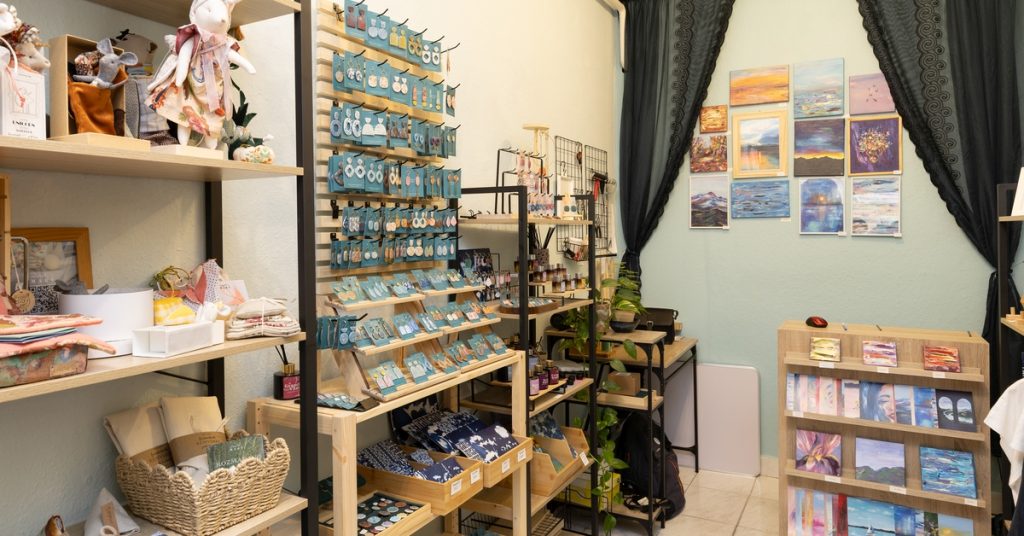
Herend porcelain is a high-status Hungarian classic. It’s smarter to buy one small piece (a cup, saucer, mini figurine) than a “set just to have a set.” Buy it from official brand locations or trusted retailers — not from shops selling “a similar pattern.”
How to pack: ideally in hand luggage, with a rigid box and proper padding/fixtures inside.
Zsolnay ceramics and décor have a recognizable Hungarian aesthetic and feel like a real object, not a souvenir. Look for official/verified stores and design shops; tourist streets often sell items “in the style of” Zsolnay, but without the quality.
How to pack: treat as fragile — only with proper packaging; hand luggage is best.
Textiles with Hungarian motifs (keep it tasteful, avoid loud “fairground” kitsch): small napkins, runners, drawstring bags, sometimes embroidery as a detail. You’ll find these in craft workshops, artisan stores, and design spots. If the price looks suspiciously low, it’s usually printed fabric “pretending” to be embroidery.
How to pack: easy to transport — just don’t crush it.
Museum merchandise “with an idea” — not a magnet, but something with context: books, catalogues, neat items tied to exhibitions. Museum shops are one of the safest zones for quality.
How to pack: paper items and small objects are best in hand luggage.
How to tell it’s not a cheap imitation (a quick in-store check)
- Too cheap for “design” or handmade craft is almost always a red flag: it’s likely a copy or mass-produced goods dressed up as artisan work.
- Look for labeling: brand/maker, country of origin, materials; for porcelain and ceramics — a stamp/mark or signature on the piece.
- Ask for a receipt and proper packaging. If the seller “can’t” pack something fragile, that’s a bad sign.
- Check by touch: ceramics should have no chips or gritty “sand” along the edges, glaze should be even; prints should have sharp lines and decent paper.
- Be careful with “branded” items. If someone sells you “almost like the original,” it’s risky — both for quality and legally.
Skincare & Cosmetics: What Actually Makes Sense to Buy in Budapest
It’s easy to slip into generic “creams and soap” that look the same in any city. So let’s keep only what’s genuinely tied to Budapest and Hungary — thermal waters, baths, and the local balm tradition.
Cosmetics based on thermal water and minerals are a logical souvenir from a city of baths. The products are usually simple (hand/body creams, balms, sprays), but the idea is clear and genuinely “local.” Where to buy: ideally at official points inside baths/spas, or in reputable pharmacies and beauty stores — not in random souvenir shops in the city center. What to check: ingredients (minerals/thermal water), factory-sealed packaging, expiry date; if it’s a liquid, check the volume and carry-on rules.
Hungarian-style herbal balms and ointments (the classic “warming/cooling” type for muscles and joints) are a popular category people often buy “for the family.” Where to buy: pharmacies and large drugstores (lower risk of fakes, and it’s easier to understand the origin). What to check: a readable label, a clear manufacturer, a seal/tamper protection, and the volume (carry-on limits apply like with any liquids).
Bath salts / mixes with a “thermal” theme are a good lightweight gift if you want a subtle reference to the baths. Where to buy: at the baths, or in stores where the product has a known brand and proper labeling. What to check: airtight packaging (so it doesn’t absorb moisture or spill), and a sensible ingredient list — not just “perfumed water” in the style of cheap flavorings.
A quick safety rule for this section: buy cosmetics and balms only where there’s quality control and a receipt (pharmacies, drugstores, official bath points). A “miracle Budapest cream” with no brand, no ingredient list, and no seal is almost always money wasted.
Who to Buy What for in Budapest: Quick Picks by Person
Gifts for family
- Pick salami (or another good Hungarian meat delicacy in factory-sealed packaging) — practical: not a “shelf souvenir,” but real food for the table.
- A herbal balm/ointment from a pharmacy — a solid “for parents” option: compact, looks serious, and people often buy it as something genuinely useful.
For friends
- Tokaji — a classic “evening” gift, especially if your friends like wine.
- Unicum (Zwack) — a bolder, more characterful option that people remember.
- A Budapest poster/print from a museum shop or art store — if you’d rather give something for the home than food.
For colleagues
- A mini paprika set (a few small packs/jars) — neat-looking and doesn’t take up space.
- Small chocolates or a box of sweets — easy to hand out to everyone.
- Postcards or mini prints from a museum shop — tasteful, culture-leaning, and not kitschy.
For kids
- Boxed chocolate/sweets — the simplest low-risk option.
- Small museum-shop items (if you spot them: pins, small accessories with no sharp parts) — better than cheap plastic from souvenir stalls.
- A “right now” sweet souvenir (a small bar/snack) — perfect when you need something fast.
Where to Buy in Budapest
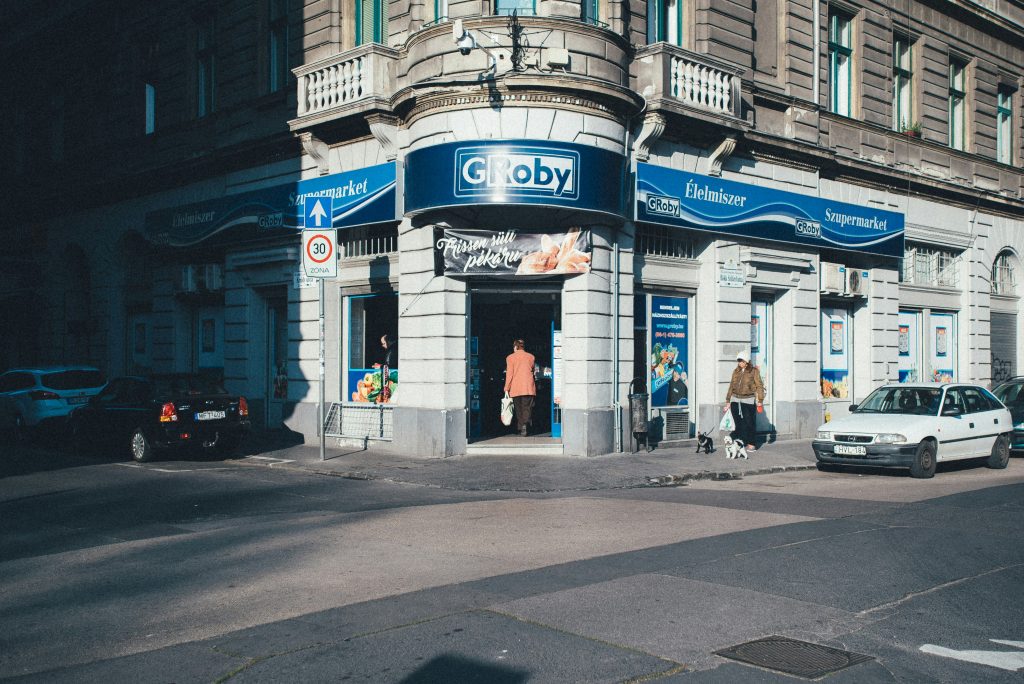
Markets & food halls: convenient, but the exact stall matters
The big advantage is the choice: lots of edible souvenirs, you can compare packaging and prices, and you’ll often find what people actually bring home (paprika, salami, pâtés). But on the most touristy rows it’s easy to overpay for a pretty tin, a “gift set,” or simply the display. You can visit the Great Market Hall / Central Market Hall (Nagyvásárcsarnok) — it’s exactly that kind of market: upstairs there are many souvenir stalls, while “proper” products make more sense to look for in the food section, choosing with your eyes rather than by the sign.
How to choose at the market: stick to factory-sealed spices and products, compare a few stalls, don’t chase “the prettiest jar,” and think about airtight packing right away (so it won’t smell up your suitcase or leak).
Wine shops: the calmest way to buy Tokaji without a gamble
If you want to bring Tokaji home, it’s better to go not to a random alcohol shop, but to a place where wine selection and storage are the whole point. It saves time and lowers the risk of buying something weird labeled as a “local classic.” In Budapest, the Bortársaság chain fits this perfectly: it’s the kind of store where Tokaji is easier to find in a proper form, without “tourist packaging for the sake of packaging.”
How to choose: look for a clean bottle, a clear label, and packaging in good condition; if you’re unsure, it’s better to take one good bottle than two “on sale” of something you don’t really understand.
Museum shops: a cultural souvenir with zero embarrassment and no “plastic”
If you want something that feels “Budapest” but without the usual clichés, museum shops are one of the most reliable options. You’ll usually get neat printing, good-quality postcards, prints, catalogues, and sometimes small design items. The key plus of museum merch is that it looks more grown-up: it’s not a souvenir “just to have one,” but something with context — even if it’s only a postcard or a small poster.
How to choose: pick prints/postcards on thick paper, books and albums with solid print quality; anything flat is easiest to carry in hand luggage so it won’t get creased.
Tourist streets & souvenir shops: a risk zone, but a few things are still OK
Tourist streets are where it’s easiest to overpay and bring home a “blank” purchase: brand knockoffs, questionable “designer” items, ceramics with no mark, and things that only look good in a window display. But sometimes they save you when you’re out of time. The trick is to understand what’s hard to ruin and easy to check at a glance.
What you can buy as a last resort: packaged sweets, paprika in factory-sealed packaging, simple postcards. But “branded” goods, “antiques,” and expensive ceramics are best avoided in places like this.
How to Choose (and Not Buy Junk) in Budapest
In Budapest, the biggest red flag is a price that looks too good for crafts and so-called designer items. If ceramics, accessories, or an “artisan” piece is suspiciously cheap, it’s almost always an imitation made to look local. The same goes for “branded” goods of unclear origin in shop windows — it’s better not to get involved, both for quality reasons and to avoid potential problems.
The second filter is the product’s origin and how clearly it’s presented. Proper items have markings: a brand or maker name, materials, a stamp/mark (for ceramics and porcelain), a proper label, and a clear description. If everything is sold “by words” and the seller can’t explain what it is and where it’s from, your chances of buying tourist-grade stuff go way up.
Third: receipt and packaging. Ask for a receipt and watch how they pack your purchase. If something fragile is wrapped “however” with no box and no internal support, it’s a sign the shop isn’t set up for safe transport. It’s a simple test that often reveals the level of the place immediately.
Fourth: food should be factory-sealed, especially if it’s a gift. Check the expiry date, intact packaging, and airtight seals. Anything aromatic (paprika, salami) is best planned into a zip bag from the start, so your suitcase doesn’t absorb the smell.
And fifth: don’t buy from the first display in a tourist zone. In the center, you can often find the same kind of thing in several places with noticeable differences in quality — comparing even once can save money and helps you separate a pretty window display from a genuinely presentable purchase.
How to Pack and Bring Budapest Souvenirs Home Safely
Keep one simple rule: fragile items and paper go in your carry-on, and checked baggage is for anything you can tolerate being shaken around. Prints, postcards, and books travel best flat (in a folder or pressed between firm items), and porcelain/ceramics are ideally kept with you — that’s the easiest way to avoid chips.
Liquids and jars (Tokaji, Unicum, honey, pastes, pâtés) are safer in checked baggage: first into an airtight bag/zip bag, then an extra bag or cloth layer, and only then into the center of your suitcase, cushioned with clothing. If you’re buying a bottle on the last day, duty free is often more convenient — packaging is usually already sorted out.
Fragile items should be packed so the piece doesn’t move inside the box. You need real padding and secure immobilization, not just “something wrapped around it.” In checked baggage, place it in the middle and surround it with soft items on all sides; a “fragile” sticker is nice, but it’s not protection.
For food, follow the “no smell, no crumbs, no leaks” logic: put paprika and salami straight into a zip bag, keep sweets in a rigid box, and treat anything that can leak the same way you treat liquids.
What You Shouldn’t (or Really Shouldn’t) Bring Back from Budapest
There are a few categories that most often cause problems — even if the purchase looks harmless. First of all, it’s perishables (especially food without factory-sealed packaging) and liquids/pastes that aren’t properly sealed: they either won’t survive the trip, or they turn your suitcase into an “aromatic surprise.”
A separate risk zone is brand knockoffs and items of questionable origin. Even if it “looks like the brand,” these purchases can end not only with disappointment in the quality, but also with unpleasant questions at security or customs. The same goes for “designer” items without clear labeling and a receipt — later you won’t be able to prove what it is or where it came from.
Be careful with anything sellers call “antiques,” “vintage,” or “art objects.” Sometimes export paperwork is required, and without documents it’s not worth the risk. One more practical point: plants/seeds and strange “natural” products often fall into a grey area of import rules in your destination country.
What to Bring Home
If you want a safe, universal gift from Budapest without overthinking, go for paprika and a box of good Hungarian sweets — compact, clear, and almost always appropriate. For a budget option, factory-sealed food or neat postcards/prints from a museum shop work best. And if you’re buying something for yourself, items with character and a clear origin usually win — Tokaji/Unicum, or one small, well-made craft purchase that you’ll genuinely enjoy using at home.